
How We Help Homeowners Make Better Design Decisions Before Construction Begins
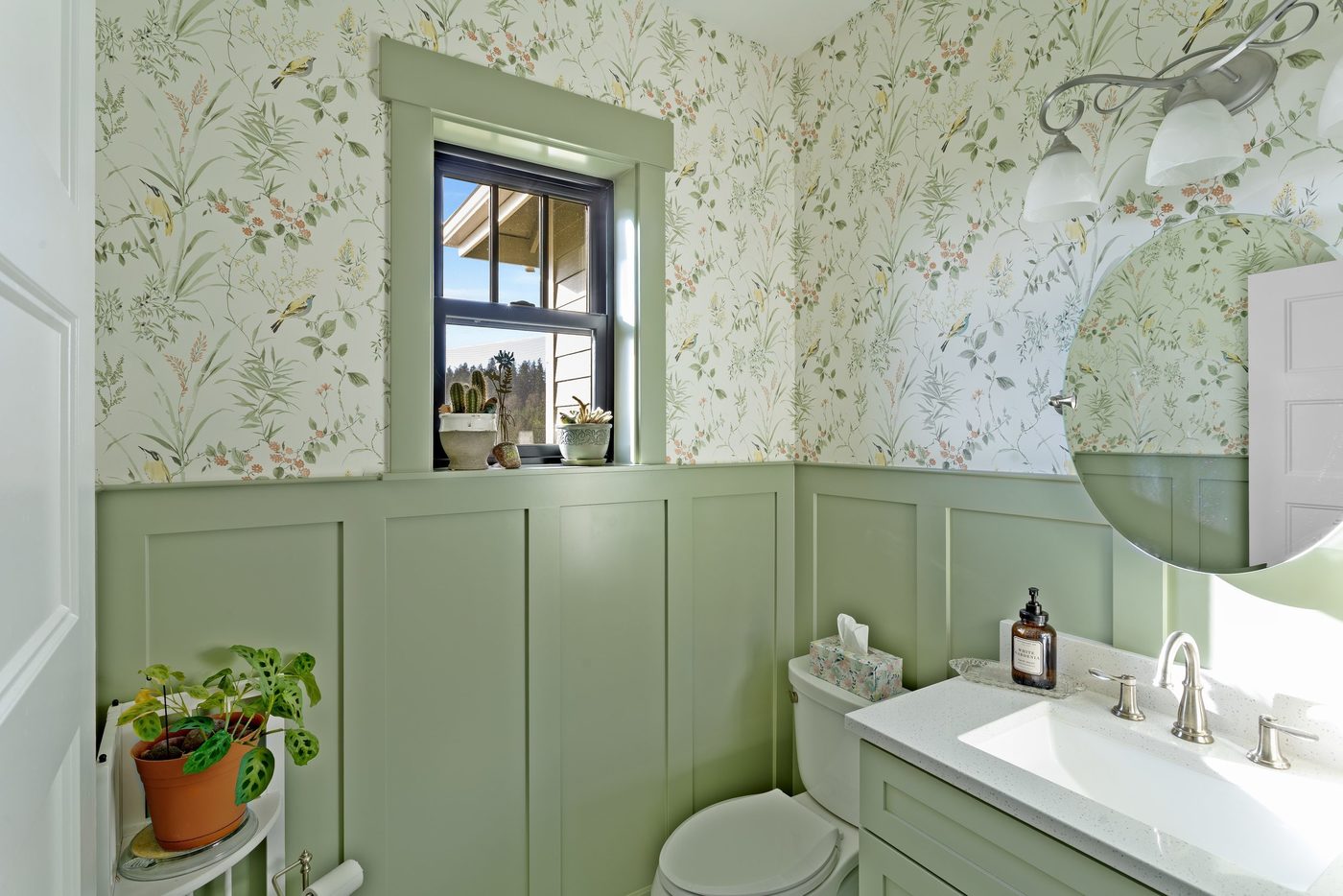
Building a custom home is an exciting opportunity to create a space that reflects your lifestyle, priorities, and personal style. But before construction begins, there are hundreds of decisions to make. From floor plans and room layouts to materials, finishes, and functionality, every choice plays a role in how your finished home looks, feels, and performs.
At Williams Contracting, we believe the best custom homes begin with thoughtful planning and clear communication. As an Olympia design build firm serving homeowners throughout Thurston County, we help clients work through important design decisions before construction starts.
Here's how thoughtful pre-construction planning and design visualization can make the custom home building experience more enjoyable, efficient, and rewarding.
Why Design Decisions Matter Before Construction Begins
When you're building a custom home, it's easy to focus on the exciting details: beautiful kitchens, spacious living areas, large windows, and personalized finishes.
However, some of the most important decisions happen long before these features become reality.
The pre-construction phase establishes the foundation for the entire project. It's when homeowners and their building team work together to define the home's layout, functionality, architectural details, materials, and overall direction.
Making these decisions early offers several important benefits:
- Fewer surprises during construction: Thoughtful planning helps identify potential challenges before work begins.
- Better budget awareness: Understanding design choices early allows homeowners to evaluate how different features may affect costs.
- Improved functionality: Reviewing layouts and daily living needs helps create spaces that work for the people who use them.
- More confident decisions: Homeowners have time to explore options instead of feeling pressured to make choices during construction.
- A more organized building process: Clear plans and selections help keep everyone working toward the same vision.
As an experienced custom home builder in Olympia, WA, we understand that the decisions made before construction can have a lasting impact on the finished home.
That's why we emphasize planning, collaboration, and communication from the beginning.
1. We Start by Understanding How You Want to Live
A well-designed custom home should do more than look beautiful. It should support your lifestyle.
Before getting too far into design decisions, it's important to understand how you plan to use your home, both today and in the future. For example: Do you need a dedicated home office or flexible workspace? Or, are you planning for a growing family or long-term accessibility?
These conversations help guide design priorities and identify opportunities that might otherwise be overlooked.
For homeowners building in Olympia, Tumwater, Lacey, and surrounding Thurston County communities, it's also important to consider how the home will interact with the property. By understanding both your lifestyle and your building site, we can help guide decisions toward a home that feels intentional rather than simply impressive on paper.
2. We Help Homeowners Visualize Their Home Before It's Built
One of the biggest challenges in custom home construction is imagining how a finished space will look and feel.
A floor plan can communicate dimensions and room locations, but it doesn't always make it easy to understand how spaces connect or how design choices will translate into everyday living.
That's where design visualization becomes especially valuable.
Depending on the project and available design resources, visualization may include detailed floor plans and architectural drawings, three-dimensional design models or renderings and material and finish samples.
These resources help homeowners evaluate their choices before construction begins.
Seeing the Bigger Picture
Imagine you're considering two different kitchen layouts.
One features a large island with seating, while the other prioritizes additional cabinetry and counter space.
Both might look appealing on paper. But reviewing the layout in greater detail can help you better understand traffic flow, storage, seating, and how the kitchen connects to nearby living areas.
The same principle applies to exterior design, window placement, ceiling heights, bathroom layouts, and many other features. The more clearly you can visualize a design decision, the easier it becomes to determine whether it's right for your home.
3. We Connect Design Choices With Budget Considerations
A custom home offers tremendous flexibility, but every design decision has the potential to influence the overall construction budget.
One of the advantages of working with a design build firm is the opportunity to consider design goals and construction realities together. Instead of treating design and construction as completely separate conversations, a design-build approach encourages coordination throughout the planning process.
Prioritizing What Matters Most
Every homeowner has different priorities. For one family, investing in a spacious kitchen may be essential. For another, a covered outdoor living area or dedicated workshop may provide greater long-term value. Thoughtful pre-construction planning helps distinguish between must-have features, desirable upgrades, and options that can be adjusted.
4. We Look Beyond Appearance to Everyday Functionality
Beautiful design is important, but a custom home also needs to function well. During pre-construction planning, we encourage homeowners to think about how individual design choices will affect everyday routines. Functional considerations include:
Kitchen and Living Spaces
How will people move between the kitchen, dining area, and living room? Is there enough room for seating, entertaining, and everyday activities?
Storage and Organization
Are closets, pantry space, garage storage, and utility areas designed around your actual needs?
Natural Light and Window Placement
How will sunlight enter the home throughout the day? Can windows be positioned to take advantage of views while maintaining privacy?
Indoor-Outdoor Connections
Would a covered patio, outdoor kitchen, or convenient access to the backyard improve how you use your property?
Long-Term Flexibility
Could a guest bedroom eventually become a home office? Would wider doorways or a main-floor bedroom support changing needs over time?
Thinking through these questions before construction helps create a home that is both attractive and practical.
5. We Consider the Unique Characteristics of Your Thurston County Property
No two building sites are exactly alike. A custom home designed for a wooded property outside Olympia may require different considerations than one built on a more open lot in Tumwater or Lacey. That's why site-specific planning is an important part of the design process.
Covered entries, durable exterior materials, effective drainage, and comfortable outdoor living spaces can all contribute to a home that's better suited to our region.
As a custom home building company serving Thurston County, Williams Contracting understands the importance of considering local conditions early in the planning process.
6. We Help Reduce Last-Minute Changes During Construction
One of the most valuable outcomes of thorough pre-construction planning is reducing the need for changes once building is underway.
Changes during construction aren't always avoidable. Sometimes homeowners discover a new preference, product availability changes, or unexpected site conditions require adjustments. However, decisions made after construction begins can be more complicated and costly than those addressed during design. By reviewing plans, discussing materials, and addressing important selections early, homeowners can enter construction with greater clarity.
The goal isn't to make every decision as quickly as possible. It's to make the right decisions at the right time.
7. We Make Communication a Priority Throughout the Design-Build Process
Building a custom home involves many moving parts. Architectural design, site planning, budgeting, permitting, material selections, and construction all need to work together. Clear communication is essential to keeping these elements aligned.
One of the benefits of the design-build approach is that it encourages collaboration between design and construction considerations from the beginning. Rather than waiting until plans are complete to discuss how certain details will be built, homeowners can benefit from practical construction input during the design phase. This collaborative approach can help identify potential challenges, explore alternatives, and keep the project focused on the homeowner's goals.
Build With Confidence With Williams Contracting
Your custom home should reflect the way you want to live, and you should feel confident in the decisions that shape it.
At Williams Contracting, we believe successful custom home projects begin well before construction. Thoughtful pre-construction planning, clear communication, and effective design visualization help homeowners understand their options and move forward with greater confidence.
Whether you're exploring floor plans, considering materials, or determining how to make the most of your property, taking the time to plan can make a meaningful difference in your building experience. Contact us to start planning your custom home!
Frequently Asked Questions About Custom Home Design and Pre-Construction Planning
What is pre-construction planning for a custom home?
Pre-construction planning is the process of preparing a custom home project before physical construction begins. It may include evaluating the property, developing floor plans, discussing budgets, reviewing design options, coordinating engineering, selecting materials, and preparing for permitting.
Why is design visualization important when building a custom home?
Design visualization helps homeowners better understand how their future home may look and function. Floor plans, elevations, renderings, and material samples can make it easier to evaluate layouts, finishes, and architectural details before construction begins.
Can pre-construction planning help reduce custom home building costs?
Thoughtful planning can help identify potential design conflicts, evaluate material alternatives, and reduce avoidable changes during construction. Although it cannot guarantee a fixed final cost, it can support more informed budget decisions.