

Building a Custom Home on Your Own Land in Olympia: What to Know Before You Start
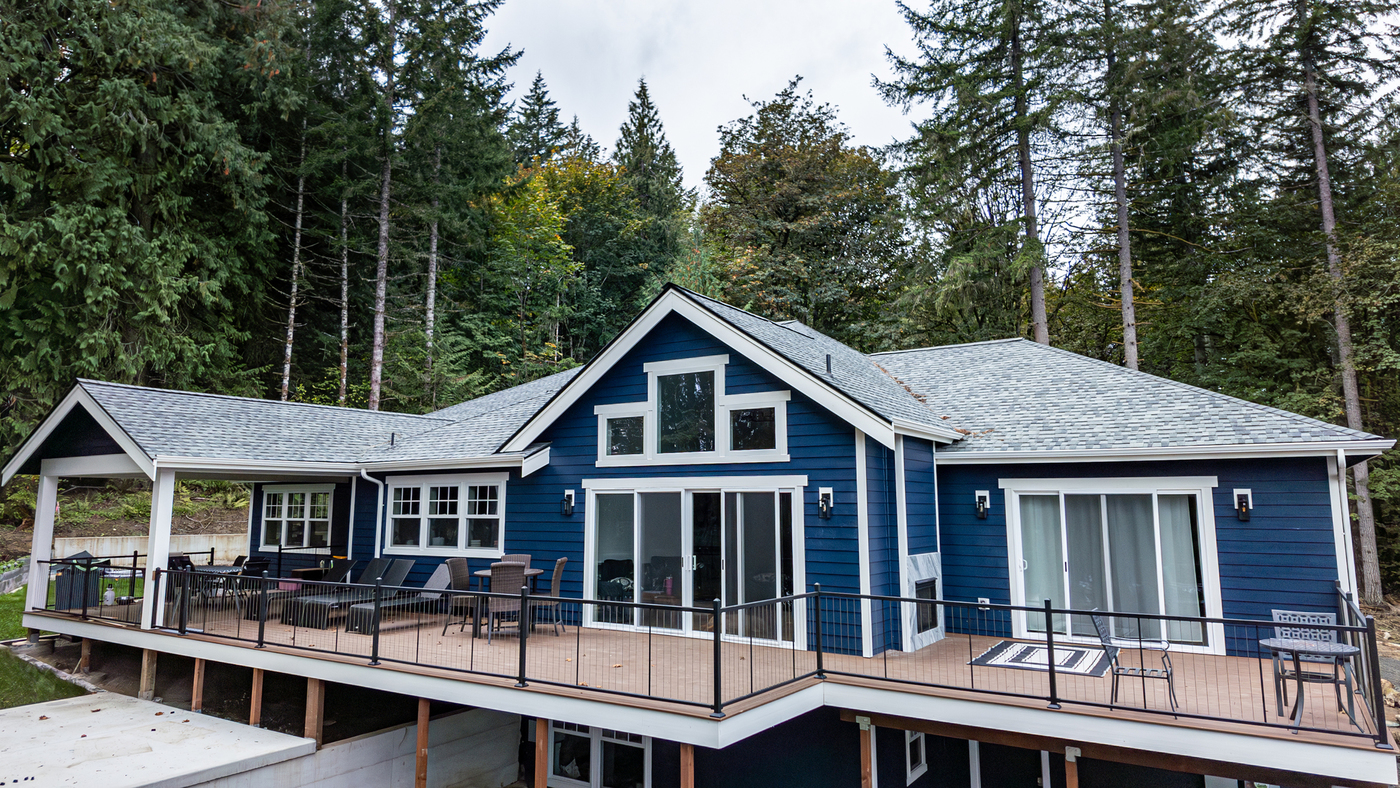
If you've found the perfect piece of property in Olympia or elsewhere in Thurston County, you're already one step closer to building the home you've always envisioned. However, owning land is only the beginning. Before construction can start, there are several important factors that need to be evaluated to ensure your project is feasible, efficient, and aligned with your budget.
As an experienced Olympia custom home builder, we've helped homeowners navigate the unique challenges and opportunities that come with building on private land throughout the Pacific Northwest. Whether your property is located in a rural area, on a wooded lot, or in a developing neighborhood, understanding what happens before construction begins can save you time, money, and frustration.
Start with a Thorough Site Evaluation
One of the first steps in any custom home project is evaluating the land itself. While a property may appear buildable at first glance, several factors can significantly impact the design, cost, and construction timeline.
A site evaluation typically examines:
- Topography and slope
- Soil conditions
- Access for construction equipment
- Existing vegetation and trees
- Utility availability
- Drainage patterns
- Environmental restrictions
A professional site assessment helps identify potential obstacles early, allowing your builder to develop solutions before they become costly surprises.
Understanding Utility Availability
Utilities are often one of the biggest unknowns when building on private land, particularly in rural areas of Thurston County.
Before purchasing land—or before finalizing home plans—it's important to determine:
Electrical Service
How far is the nearest power source from the property?
Extending electrical service can be more expensive than many homeowners realize, especially if power lines must be installed underground or over long distances.
Water Supply
Will the home connect to a municipal water system, or will a private well be required?
If a well is needed, testing and permitting must be completed before construction begins.
Internet and Communications
Reliable internet service has become a necessity for many homeowners. Rural properties may have limited options, making it important to evaluate connectivity early in the planning process.
Natural Gas or Propane
Many rural homes rely on propane systems when natural gas service is unavailable.
Understanding utility requirements upfront helps create a more accurate project budget and timeline.
Septic Systems: A Critical Part of Rural Home Building
Many custom homes built outside city limits require an on-site septic system.
A septic system cannot be designed until the property successfully passes soil and percolation testing. These tests determine how well the soil absorbs and filters wastewater.
Factors that influence septic design include:
- Soil composition
- Groundwater levels
- Property size
- Environmental restrictions
- Home size and anticipated occupancy
If soil conditions are challenging, a more advanced septic system may be required, which can increase project costs.
Working with an experienced Olympia contractor ensures these requirements are identified early in the planning process.
Wetlands and Environmental Considerations
One of the most common surprises for landowners in Thurston County is discovering wetlands or environmentally sensitive areas on their property.
Even if a property appears dry during part of the year, wetland boundaries can significantly affect where a home may be built.
Environmental reviews may identify:
- Wetlands
- Streams
- Critical habitat areas
- Buffer zones
- Flood-prone areas
In some cases, these conditions don't prevent construction—they simply require careful planning and proper setbacks.
Understanding these restrictions before designing your home helps avoid costly redesigns later.
Grading and Site Preparation
Rarely is a building site completely ready for construction.
Many properties require some level of grading, excavation, or site preparation before a foundation can be installed.
Site preparation may include:
- Clearing trees and brush
- Excavation
- Importing or exporting soil
- Building driveways
- Installing drainage systems
- Creating building pads
Sloped lots can provide beautiful views and unique architectural opportunities, but they often require additional engineering and site work.
An experienced Olympia design-build firm like Williams Contracting can evaluate how the home's design works with the natural characteristics of the land rather than fighting against them.
Navigating the Permitting Process
Building permits are an essential part of every custom home project.
Depending on the property's location, permits may involve:
- Building permits
- Septic permits
- Well permits
- Stormwater permits
- Driveway access permits
- Environmental reviews
Permit requirements vary based on jurisdiction and site conditions, which is why early planning is so important.
One advantage of working with a design-build company is having a single team manage the permitting process from the beginning, helping reduce delays and streamline communication.
Common Surprises Homeowners Encounter on Rural Properties
While every property is unique, there are several challenges that frequently arise during the planning phase.
Long Utility Runs
Bringing power, water, or communications to a remote building site can add unexpected costs.
Poor Soil Conditions
Certain soil types may require additional engineering or foundation solutions.
Seasonal Water Issues
Properties that appear dry during summer months may experience drainage challenges during the rainy season.
Limited Site Access
Narrow roads, steep driveways, or dense tree coverage can complicate construction logistics.
Permit Delays
Environmental reviews and agency approvals can sometimes extend project timelines.
The good news is that most of these challenges can be identified and addressed early with proper due diligence and professional guidance.
Why Early Planning Makes All the Difference
Building on your own land offers incredible flexibility and the opportunity to create a home that perfectly fits your lifestyle. However, successful projects begin long before construction starts.
By evaluating site conditions, understanding utility requirements, addressing septic and environmental concerns, and planning for permits, homeowners can move into the design phase with confidence.
At Williams Contracting, we help homeowners throughout Olympia and Thurston County navigate every step of the process. As an experienced custom home builder and design-build firm, we work closely with clients to uncover potential challenges early, develop practical solutions, and create custom homes designed specifically for their property and goals.
Ready to Build on Your Land?
If you already own land—or are considering purchasing property for a future custom home—we'd be happy to help you evaluate your options. Contact Williams Contracting today to schedule a consultation and learn how our design-build process can help bring your vision to life.